St. Kitts wins 11 honours at 2027 Scuba Diving Reader's Choice Awards
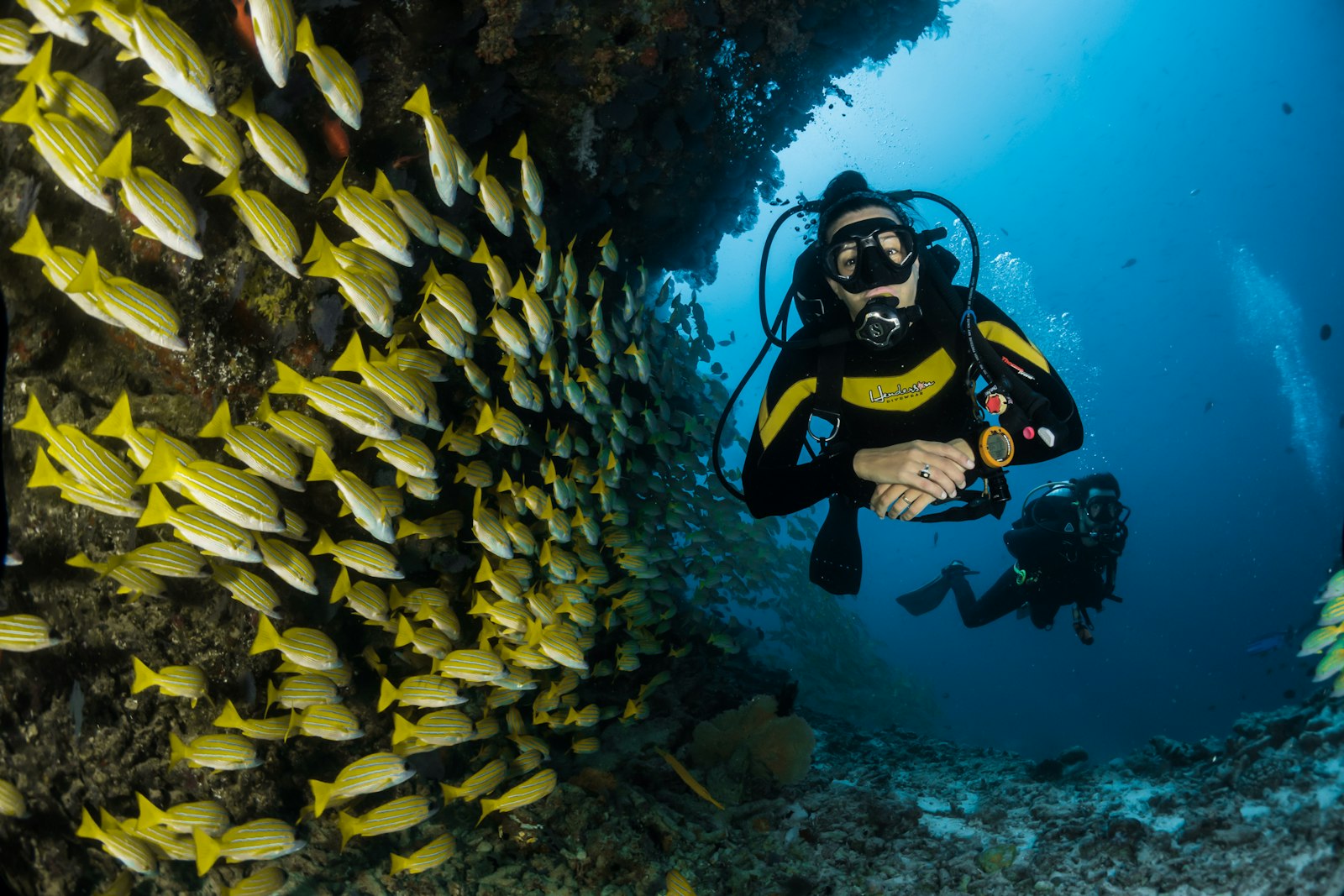
For many visitors, the experience of St. Kitts begins at the shoreline. Beaches, villages and views across the Caribbean establish the setting, but just beyond the shore lies another part of the island that is attracting growing international attention.
In October 2026, that diversity received significant recognition when St. Kitts was named One of the Best in 11 categories in the 2027 Scuba Diving Readers' Choice Awards.
The categories ranged from Best Overall and Wreck Diving to Big Animals, Macro Life, Underwater Photography and Health of Marine Environment. St. Kitts was also recognised for Beginners, Advanced diving, Snorkelling and Best Value.
The breadth of the recognition is notable. Rather than highlighting one particular type of underwater experience, the awards cover many of the elements that divers look for when choosing a destination.
A Different View of the Island
The underwater landscape of St. Kitts reflects the island's volcanic origins and varied coastal geography.
Below the surface, coral formations give way to walls, rocky structures and channels, while deeper waters create environments that attract different forms of marine life. This variety means that diving around the island is not defined by one signature site or one type of encounter.
At Brimstone Shallow, for example, coral formations meet a wall that drops beyond 100 feet. Sandy Point is characterised by large coral heads and swim-through canyons, while Finger Reef provides opportunities to see schools of Creole wrasse, jacks and mackerel.
For divers, the appeal lies in this change of scenery. One site can offer a close look at reef formations, while another can shift the focus towards larger marine life, deeper structures or underwater photography.
Where History Has Found a Place Beneath the Water
St. Kitts' underwater environment also carries traces of its maritime history.
Several shipwrecks have become established dive sites, creating an unusual meeting point between the island's past and its marine environment. Over time, these vessels have become part of the underwater landscape, attracting fish and other organisms while giving divers another reason to explore below the surface.
The River Taw, a 144-foot vessel located offshore from Frigate Bay, is one of the island's shallow-water wreck sites. The Corinthian, which sank in 1995, rests at approximately 72 feet and remains largely intact, with black coral growing around the wreck.
The M.V. Talata provides yet another type of experience, with schools of fish, large lobsters and a resident green moray associated with the wreck.
The Marine Life Below the Surface
The variety continues with the marine life found throughout the island's waters.
Divers may encounter reef species including parrotfish, groupers, snappers, grunts, surgeonfish and hind, alongside Caribbean spiny lobster and turtles. Larger encounters form one part of the experience, while the smaller organisms living around coral formations provide another.
This distinction is reflected in St. Kitts' recognition in both the Big Animals and Macro Life categories of the 2027 awards. The two categories represent very different approaches to underwater exploration: looking out across the reef for larger marine species and looking closely into its formations for smaller life.
For underwater photographers, that range can be particularly significant. The environment offers opportunities for both wide-angle images of reefs and marine animals and close-up photography of smaller species and coral structures.
At The Vents, divers can encounter black coral, wire coral, lobsters, stingrays and barracuda, adding yet another variation to the island's underwater scenery.
More Than a Destination for Experienced Divers
Another feature of St. Kitts' recent recognition is the range of people it accommodates.
The island received honours in both the Beginners and Advanced categories, suggesting that its dive offering extends across different levels of experience. Visitors taking their first steps into scuba diving can explore shallower environments and introductory experiences, while experienced divers can seek deeper walls, wrecks and more challenging underwater formations.
The recognition for Snorkelling broadens the experience further. Travellers do not need to be certified divers to discover the marine environment. For families, first-time visitors and those who simply prefer to stay near the surface, snorkelling provides another way of experiencing the reefs and coastal waters.
This accessibility is important to the destination's wider tourism offering. The underwater environment can be part of a holiday whether someone spends hours beneath the surface or only a short time looking into the water from above.
The Environment Is Part of the Experience
For any destination built around marine tourism, the condition of its underwater environment matters as much as the attractions themselves.
St. Kitts' recognition in the Health of Marine Environment category places attention on this aspect of the destination. Coral reefs and coastal waters provide habitats for marine species, making the protection of these ecosystems important not only from a conservation perspective but also for the future of marine tourism.
The award therefore carries significance beyond diving itself. A healthy marine environment is what allows reefs, fish, turtles and other species to remain part of the visitor experience in the first place.
It also reflects a broader reality for island destinations: the quality of the tourism experience is closely connected to the quality of the natural environment.
Nevis Extends the Experience
The underwater story does not end with St. Kitts.
Across The Narrows, Nevis provides additional opportunities for diving and snorkelling, with local operators offering excursions around the waters of both islands. Reefs, wrecks and accessible coastal locations give visitors further options for exploring the marine environment during a stay in the Federation.
Oualie Bay, for instance, is known as an accessible location for snorkelling, making it suitable for visitors who want to experience the water without committing to a full scuba-diving excursion.
Together, the two islands create a wider marine experience, allowing visitors to combine underwater exploration with the beaches, landscapes, heritage and communities found above the surface.
Recognition That Reflects a Wider Experience
St. Kitts' 11 honours in the 2027 Scuba Diving Readers' Choice Awards are significant not simply because of the number of categories, but because of what those categories represent.
The recognition covers wrecks and walls, large and small marine life, photography, environmental health and different levels of diving experience. It also includes snorkelling and overall destination quality.
The island has received international recognition for diving before, including being named the Caribbean's Leading Dive Destination at the 2022 World Travel Awards. The latest honours add another indication of the attention being given to its marine tourism offering.
For visitors, however, the appeal is ultimately less about awards than what they reveal about the destination. St. Kitts offers an opportunity to experience the island from a completely different perspective, one where former ships have become marine habitats, volcanic formations shape the seabed and coral reefs support an active underwater ecosystem.
Above the water, St. Kitts has its beaches, mountains, heritage and communities. Beneath it lies another landscape altogether, and increasingly, it is becoming an important part of the island's story.