St. Kitts and Nevis Opens New Pathways for Entrepreneurship and Economic Growth
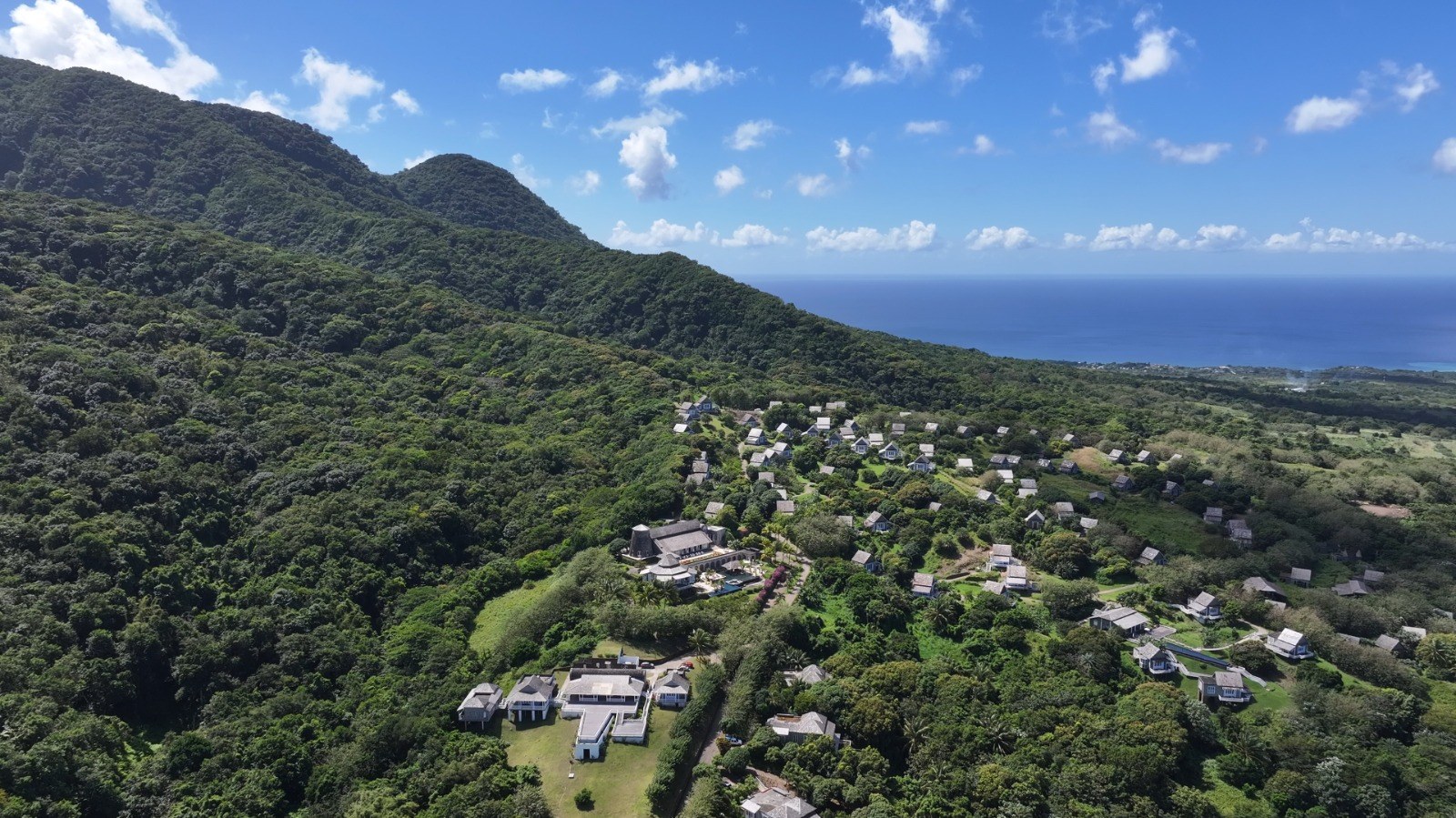
St. Kitts and Nevis is expanding its focus on economic diversification, creating potential opportunities for entrepreneurs across tourism, agriculture, renewable energy, information technology and light manufacturing.
The International Monetary Fund's (IMF) 2026 assessment offers important insight into the Federation's economic outlook. According to the assessment, GDP growth is projected to reach 2 per cent in 2026, following estimated growth of 1.5 per cent in 2025. Construction, agriculture, renewable energy projects and the continued recovery of tourism are expected to contribute to economic activity.
These developments could create new markets for businesses, from suppliers supporting established industries to enterprises introducing new products and services. However, the IMF's findings on access to finance, skills shortages and trade barriers also highlight the challenges entrepreneurs must navigate to turn emerging opportunities into sustainable commercial ventures.
Tourism continues to create opportunities for local businesses
Tourism remains a significant driver of economic activity in St. Kitts and Nevis, generating demand across a broad network of businesses beyond hotels and visitor attractions. Restaurants, transport operators, excursion providers, food suppliers, event organisers and digital service companies all play a role in supporting the visitor economy.
This established market provides opportunities for entrepreneurs to develop specialised services without necessarily requiring substantial investment in tourism infrastructure. Local food producers, for example, can explore supply agreements with hotels and restaurants, while creative businesses can offer photography, branding and digital marketing services. Tour operators may also develop experiences showcasing the islands' natural landscapes, cultural heritage and marine environment.
Nevis' investment promotion agency identifies opportunities in hospitality, yachting, sports tourism and other visitor-oriented activities. These segments demonstrate how tourism can generate demand for smaller enterprises and strengthen commercial links between businesses across the local economy.
Economic diversification creates scope for new enterprises
The IMF's economic outlook identifies agriculture and renewable energy, alongside tourism and construction, as contributors to economic activity. This diversification could create opportunities for entrepreneurs to supply established industries while exploring emerging markets.
Agriculture presents opportunities beyond cultivation and primary production. Food processing, packaging and distribution can enable businesses to add value to locally produced goods and explore markets beyond the Federation. Nevis' investment promotion agency has identified agro-processing opportunities involving products such as sauces, jams and sea moss-based goods.
Information technology offers another avenue for business development. Software development, digital marketing and other knowledge-based services can support domestic businesses while potentially serving clients overseas. Similarly, investment in renewable energy may generate demand for installation, maintenance, engineering and equipment supply, depending on project specifications and the capabilities of local enterprises.
Realising the potential of these sectors will require more than investment commitments. Businesses must understand market demand, maintain consistent quality, control operating costs and develop competitive offerings. Identifying specific customer needs and delivering reliable solutions will be essential to building commercially viable enterprises.
Regional trade and international connectivity expand market potential
St. Kitts and Nevis' location in the Caribbean offers businesses a platform from which to explore opportunities beyond the domestic economy. Through regional economic arrangements, including the CARICOM Single Market and Economy, eligible businesses can investigate opportunities for trade and commercial activity across participating states, subject to applicable requirements.
Nevis' investment promotion agency also highlights export potential for local products in the Caribbean, the United States, Canada and Europe. Reaching international customers can help producers expand their markets beyond the limits of domestic demand. Service-based enterprises may also be able to work with overseas clients without establishing a physical presence in every market they serve.
Air links with major North American hubs further support tourism and business travel, helping connect local enterprises with visitors, investors and international partners.
Nevertheless, access to international markets comes with practical considerations. The IMF identifies high freight costs, dependence on regional transshipment hubs and trade-related constraints as challenges for businesses. Entrepreneurs planning to export must therefore account for transportation expenses, customs procedures, distribution networks and the commercial feasibility of their intended markets.
Currency predictability and investment support strengthen the business environment
The Eastern Caribbean dollar's peg to the US dollar provides a degree of currency predictability for businesses conducting transactions in the US currency. This can be useful for enterprises purchasing imported equipment, sourcing supplies or working with American customers and investors. While the arrangement does not remove other financial risks, it reduces exchange-rate uncertainty between the two currencies.
St. Kitts and Nevis also has dedicated investment promotion agencies serving the two islands. The St. Kitts Investment Promotion Agency (SKIPA) works to attract and facilitate investment, support existing investors and contribute to policy development. Its priority sectors include tourism, agriculture, renewable energy, financial services, information technology, international education and light manufacturing.
Meanwhile, the Nevis Investment Promotion Agency (NIPA) helps prospective investors identify business opportunities, engage with relevant government departments and establish connections with local partners. These institutions offer important points of contact for entrepreneurs and investors assessing projects, exploring market entry and navigating business establishment procedures.
Building a sustainable entrepreneurial economy
St. Kitts and Nevis brings together an established tourism industry, emerging opportunities in diversified sectors, access to regional and international markets, currency predictability and dedicated investment facilitation. Collectively, these factors provide potential pathways for entrepreneurs, including suppliers to the hospitality industry, agricultural processors, technology firms and specialised service providers.
The long-term strength of the Federation's entrepreneurial landscape will depend on businesses' ability to progress beyond initial establishment, secure reliable customers, generate employment and maintain sustainable operations.
As St. Kitts and Nevis continues to pursue economic diversification, the focus will increasingly be on translating sectoral opportunities into viable enterprises that contribute to productivity, employment and economic resilience. For entrepreneurs, the potential lies in matching the Federation's evolving economic priorities with practical business solutions, the expertise to deliver them and the markets needed to support long-term growth.