Inside the natural world of St. Kitts and Nevis
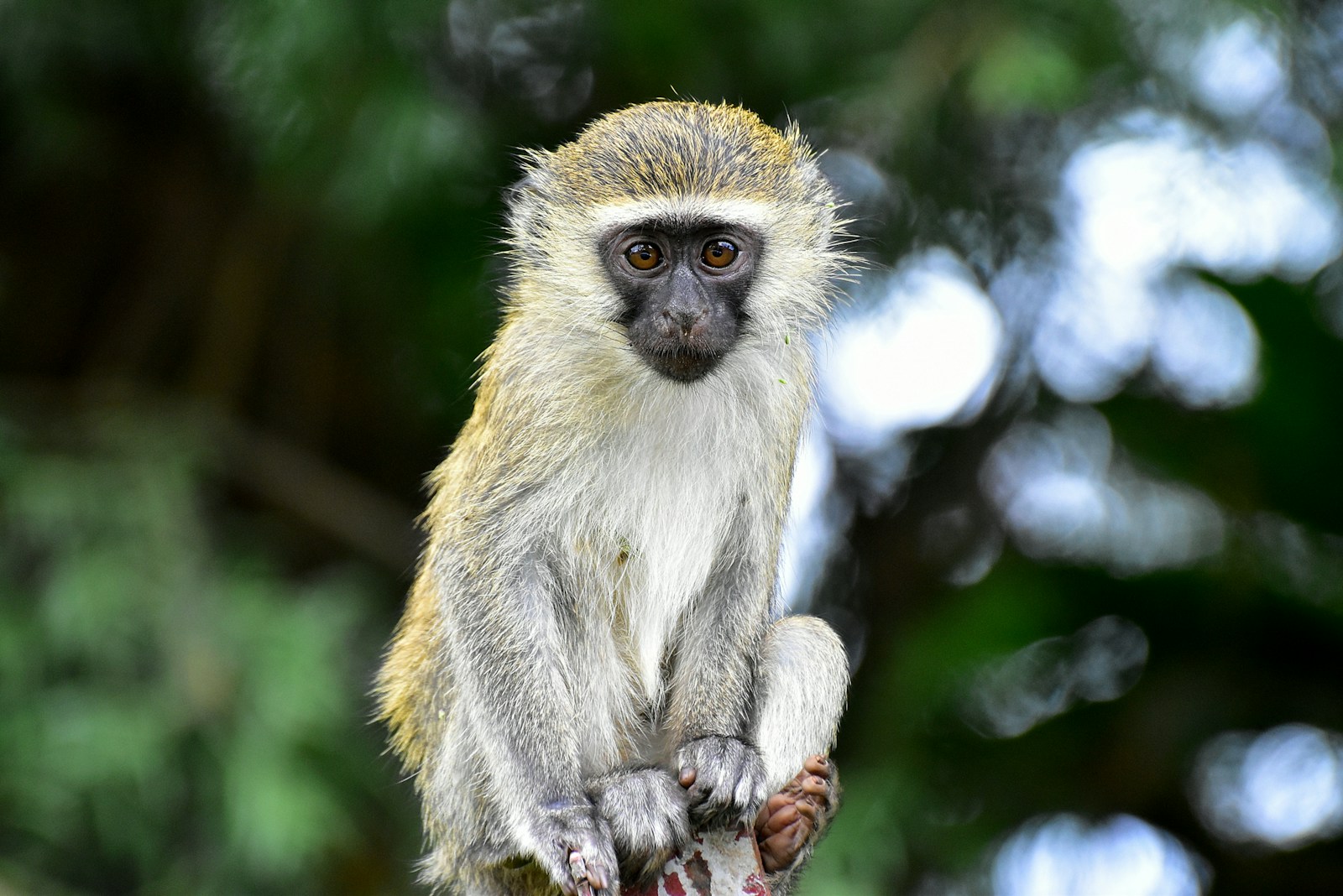
The natural world of St. Kitts and Nevis makes the islands beyond extraordinary, with unique species native to the islands and others that arrived centuries ago and have since become part of their natural world.
Migratory birds crossing the skies, marine animals moving through the waters, bats emerging at dusk and green vervet monkeys roaming the land make St. Kitts and Nevis even more fascinating for travellers seeking exploration and adventure.
The islands support more than 130 recorded bird species, six species of native bats, endemic lizards, several reptiles and amphibians, marine turtles, freshwater fish and a considerable variety of coastal and marine life.
The mammals that became part of the islands
St. Kitts and Nevis has relatively few terrestrial mammals, and that in itself makes its wildlife story unusual.
The most visible is the green vervet monkey. Introduced from West Africa more than 300 years ago, the species has since established itself and become one of the most recognisable animals in the islands. Estimates have placed the population of monkeys at more than 50,000, with more putting the number above 60,000.
The monkeys are particularly familiar around rural landscapes and forested areas, and on Nevis they have become part of the visitor experience, with guided monkey-spotting excursions taking travellers into the island's landscape in search of them.
The islands are also home to other terrestrial mammals, including the Indian mongoose, rats, mice and white-tailed deer. The agouti was once recorded in St. Kitts and Nevis but is no longer reported in recent national assessments.
Then there are the bats. Six bat species have been recorded in St. Kitts and Nevis, and bats are the country's only native terrestrial mammals. Their presence is easily missed because they become most active after sunset, but they form a significant part of the island's natural world.
A country of birds
St. Kitts and Nevis is a “country of birds” that includes both resident and migratory species. The country is home to indigenous resident birds as well as seabirds, waterfowl, shorebirds and migratory landbirds.
The Federation's birdlife ranges from species associated with forests and gardens to those found along the shores and open sea. Brown pelicans, brown boobies, frigatebirds, herons, egrets and terns form part of this diverse avian landscape, while shorebirds and other migrants arrive as part of seasonal movements across the Americas.
On Nevis, the rainforest surrounding Nevis Peak provides one of the more immersive ways to experience the wild side of the islands.
Lizards, geckos and the reptiles of the islands
Closer to the ground, St. Kitts and Nevis has a surprisingly varied reptile population. The ground lizard and green lizard are endemic to the islands and extremely common, while common and giant woodslave geckos are also found across the Federation. Other recorded terrestrial reptiles include tortoises, green iguanas, Lesser Antillean iguanas, brown lizards, blind snakes and racer snakes.
Snakes are not a dominant feature of St. Kitts and Nevis' wildlife, but blind snakes and racer snakes can be found across the islands.
For visitors exploring the islands, these smaller reptiles can be easy to miss. They occupy a different scale of the landscape, moving beneath the lush rainforest, along walls and rocks, and through the forests and gardens that connect developed areas with the wider natural environment.
Frogs, toads and a changing amphibian story
The amphibians of St. Kitts and Nevis are fewer in number but particularly interesting because of their relationship with the islands' changing landscapes. They include two amphibian species: the piping tree frog and the marine toad.
The islands also have a history with the mountain chicken, or crapaud, a frog once native to St. Kitts and Nevis but now considered extirpated. The Browne tree frog is another significant part of the country's wildlife.
The smaller creatures beneath the surface
The islands' wildlife becomes even more diverse when the smaller inhabitants are considered: hermit crabs, ghost crabs, Sally Lightfoot crabs, Caribbean mud fiddler crabs, lesser blue crabs, great land crabs, crayfish, scorpions, spiders, centipedes and other invertebrates on Nevis.
The turtles that connect land and sea
Along the shores, the wildlife story changes again. St. Kitts and Nevis is home to special species of marine turtles, including green, hawksbill, loggerhead, olive ridley turtles and leatherback turtles that are considered a true magical experience for the adventure seekers.
On Nevis, the annual return of hawksbill, leatherback and green turtles to the beaches during the nesting season has become an important part of the island's conservation and tourism experience. Guided night walks allow visitors to encounter the nesting season.
The nesting beaches form part of a wider marine life that links the health of the shores and waters of St. Kitts and Nevis.