Everything to Know Before You Visit St. Kitts and Nevis
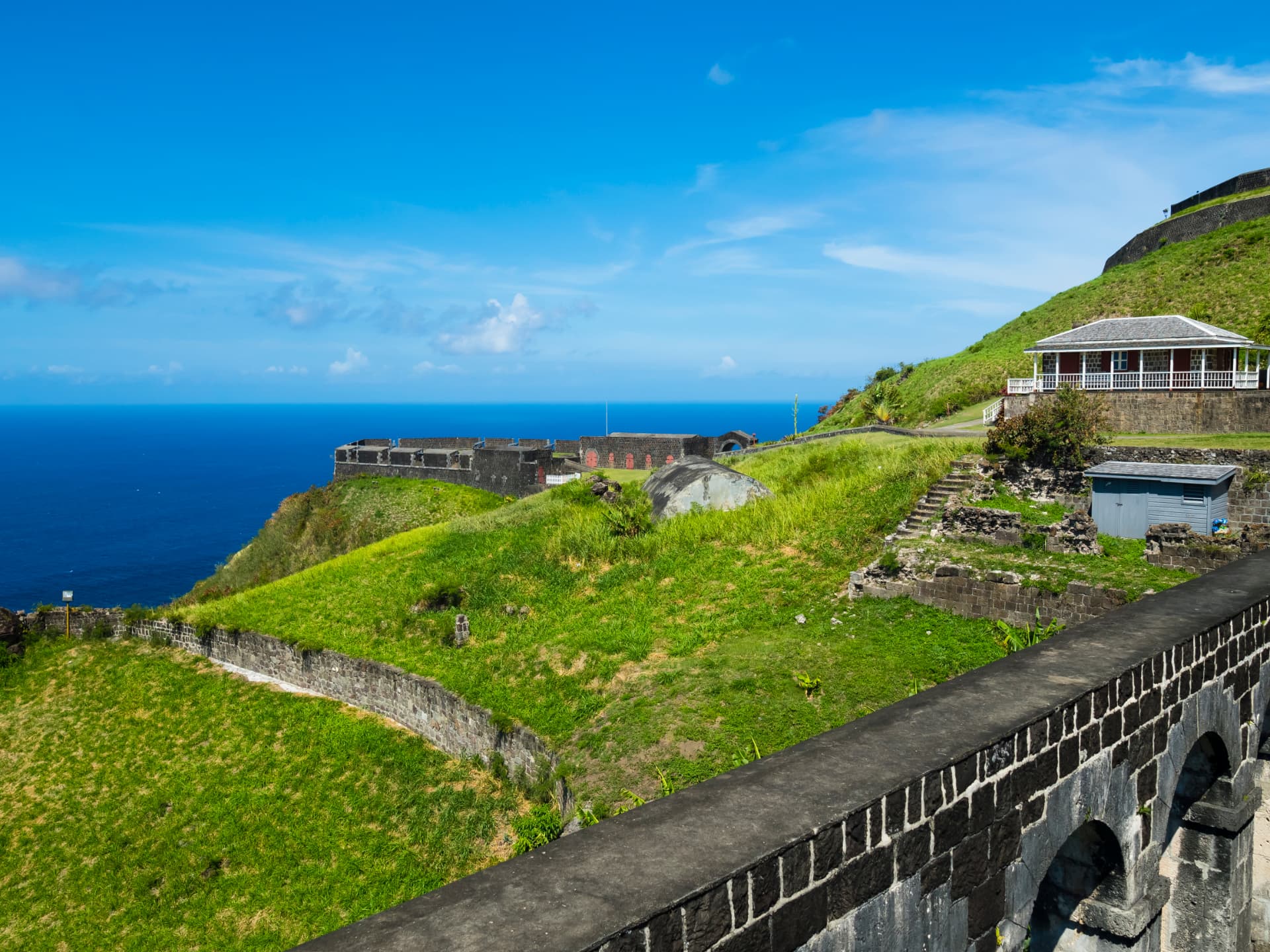
The twin-island nation carries a rhythm to life that visitors quickly notice. Besides the warm weather, volcanic mountains, or turquoise Caribbean Sea, there are many other things that make St. Kitts and Nevis unique. The way people greet each other, the island's history, colourful festivals, and the local lingo are all uniquely woven into the island's culture. If you want to experience the island more like a native than just a tourist, then understanding the culture and language of the island is where you should start.
While English is the official language of St. Kitts and Nevis, the people often converse in Kittitian and Nevisian Creole. This gives the island its own voice and a differentiable identity. If you wish to make genuine connections then learning a few words and phrases would help significantly.
Begin conversations with a greeting
This is the quickest way to make a good impression with the locals. You should always remember that every conversation in St. Kitts and Nevis starts with a greeting, and these greetings matter a lot to people.
Whether you are entering a small shop in Basseterre, boarding a local bus, or passing someone on a quiet village road, greeting people with “Good morning,” “Good afternoon,” or “Good evening” is considered basic courtesy. Locals mostly greet strangers before they start a conversation or ask a question. Skipping this step in a conversation might come across as impolite to locals.
Study the history of the island
Another way to experience the beauty of the island like a local is to have a basic knowledge of the history of the island. The information you have before visiting the island would help you to focus on the physical structures rather than being lost in guides and books.
St. Kitts and Nevis is a land with stories that are older than its name. The islands were home to the Kalinago people, long before the European ships reached their shores.
At that time, St. Kitts was known as Liamuiga, which means “fertile land”, and Nevis was known as Oualie, which refers to the “land of beautiful waters.”
Visitors who are interested in history can still find traces of this heritage through ancient petroglyphs. You can also find traces at the Wingfield Estate on St. Kitts.
St. Kitts later became known as the “Mother Colony of the West Indies” after it became the first Caribbean island settled by both the British and French during the early 17th century. After that, sugar plantations came to transform the islands, which also brought enslaved Africans to the country. The descendants of those Africans make up the majority of the current population.
The sugar industry helped in shaping life for centuries and officially came to an end in 2005. This marked the closing of an important chapter in the history of St. Kitts and Nevis.
Today, the people of the federation remember that era with the impressive Brimstone Hill Fortress, which is a UNESCO World Heritage Site. It is popularly referred to as the “Gibraltar of the West Indies.” This fortress was built with the labour of enslaved Africans, over more than a century. It is both an impressive engineering site and a place of reflection.
St. Kitts and Nevis gained independence in 1983. Basseterre is the capital of St. Kitts, while Charlestown is the capital of Nevis.
Know the difference between Kittitians and Nevisians
Although they form one nation, the citizens proudly represent their respective islands. Citizens of St. Kitts are referred to as Kittitians, while the people of Nevis are known as Nevisians. Nevis, particularly, has a strong sense of local identity which is shaped by its own island history, culture, and traditions.
The entire federation has a population of roughly over 50,000 people, with four out of every five residents living on St. Kitts. Most of the citizens are of Afro-Caribbean background, but communities with European, Indian, Lebanese, and other backgrounds also live here. All these communities contribute to the federation's cultural diversity.
Nature is part of everyday life
Very few Caribbean destinations combine mountains, rainforest, and beaches as perfectly as St. Kitts and Nevis.
Volcanic peaks of Mount Liamuiga on St. Kitts and Nevis Peak contribute to the unique look of the landscape of the country. It is surrounded by lush tropical forests with bamboo, orchids, breadfruit trees, mango trees, and towering royal palms.
The brilliant red-orange Poinciana trees, often called Flamboyant trees, light up the roadsides from spring to summer. Their dry seed pods are locally known as “shack-shacks” because they create a unique rattling sound. They are even used as musical instruments during cultural performances.
Wildlife is another unforgettable part of the experience. Green vervet monkeys, which came from West Africa during the 17th century, are now an integral part of the island's fauna. They roam freely around the islands and it is believed that there are more monkeys than people. This makes wildlife sightings more common.
Visitors can also spot brown pelicans diving for fish along the coast, while nesting sea turtles, colourful reef fish, stingrays, lobsters, and nurse sharks can be seen in the surrounding waters.
Enjoy the local cuisine; eat what the locals eat
In order to enjoy authentic island life, food is what will make your trip even more mesmerising. It is one of the easiest ways to experience authentic island life.
The national dish of the island combines stewed saltfish with spicy plantains, seasoned breadfruit, and soft coconut dumplings. It brings together the ingredients that have been the staples of local kitchens for centuries.
Goat water is another local favourite, a slow-cooked goat stew that is seasoned with aromatic spices. It is famously served with breadfruit, papaya, and dumplings. It is a rich, hearty meal which is mostly enjoyed during family gatherings and celebrations.
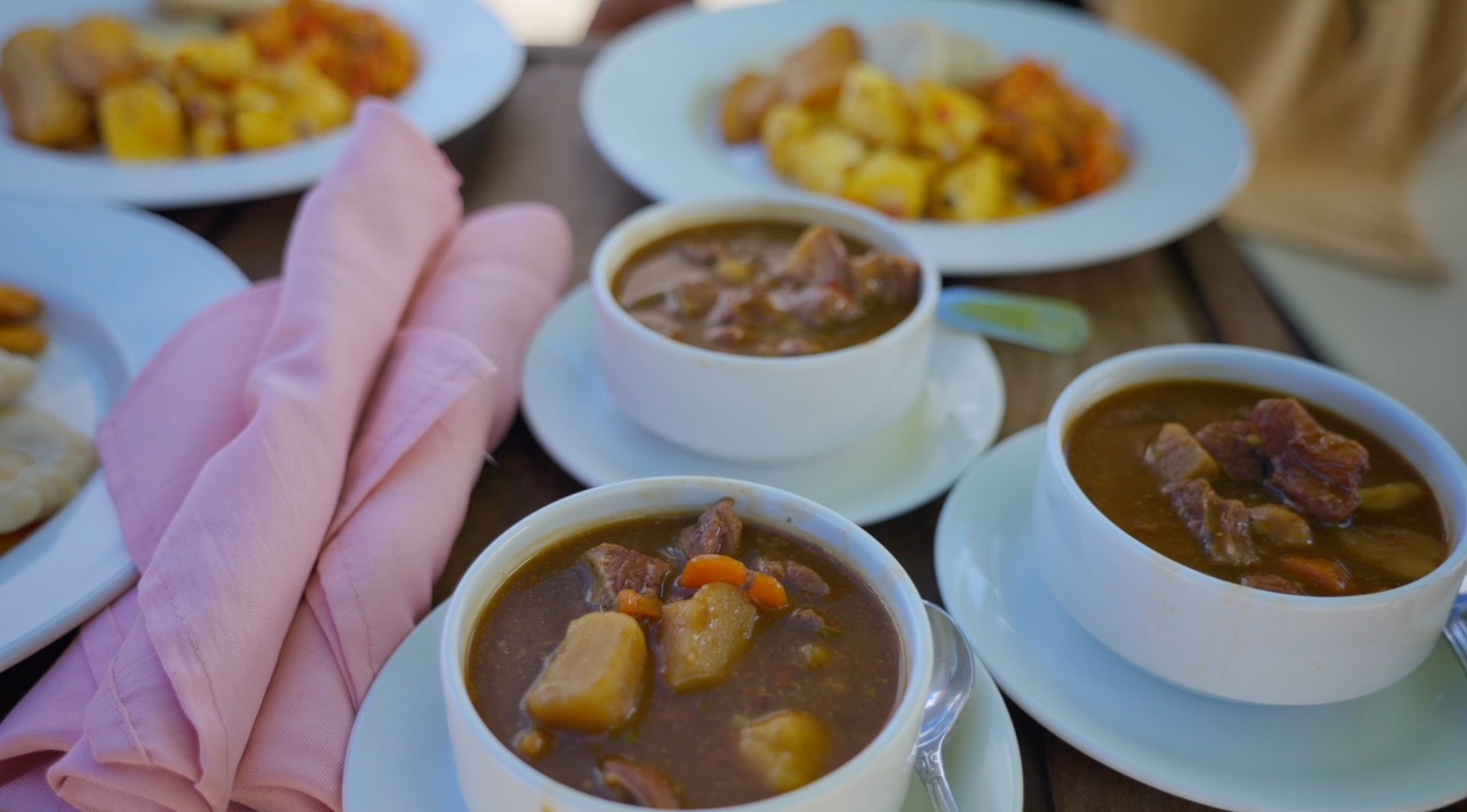
Other dishes that visitors should try are pelau, a comforting one-pot rice dish cooked with pigeon peas and meat, along with crispy conch fritters and curry-filled rotis freshly prepared along the coast.
Famous drinks of the island that the locals drink to cool down are Carib or Skol beer, while the combination of Ting grapefruit soda and local rum is another popular cooling drink. Visitors often make a stop at Nevis' Sunshine's Beach Bar on Pinney's Beach to try the famous Killer Bee rum punch. This drink has become an island legend that visitors specially try when visiting the islands.
Learn about the local ‘liming’ culture
One of the most important lessons visitors can learn in St. Kitts and Nevis is that life moves at its own comfortable pace. Locals often talk about ‘liming’, which is a cherished Caribbean tradition. It means relaxing with friends, enjoying good conversations, listening to music, and living in the moment without rushing. It is about enjoying the company around you without worrying about any schedule.
Local island secrets
While exploring the islands, locals mostly rely on the green-licence-plate passenger vans that are the most common public transportation. They are less expensive, easy to use, and offer an authentic glimpse into everyday island life.
- Locals generally use phrases like “Bus stop!” or “Next corner, driver” when they need to get off a vehicle.
- Swimwear belongs on the beach. Wearing bathing suits or walking around Basseterre or Charlestown shirtless is generally considered inappropriate.
- Dressing appropriately and respectfully is appreciated by the locals.
You don't need to master every local expression to feel like a native in St. Kitts and Nevis. Simply greet people warmly, respect the local culture, try authentic traditional dishes, learn some of the island's remarkable history, and embrace the spirit of liming. This will make your visit more memorable and rewarding.
St. Kitts and Nevis are more than just beautiful beaches. The spirit lies in local village conversations, laughter shared over a plate of goat water, the lights and music of the festival season, and the pride the citizens have in their island. Experience the rhythm and music of the island and you will return with something that feels authentic long after your holiday ends.